Many veterans find a natural and rewarding next chapter in the defense industry, where their unparalleled skills and mission-focused mindset are highly valued. This career path allows them to continue serving a critical national purpose while building a stable future.
The Current Landscape of Veteran Employment in Defense Contracting
The current landscape of veteran employment in defense contracting is both a natural fit and a dynamic frontier. Companies actively recruit veterans for their mission-critical expertise and security-cleared experience, valuing their intimate understanding of operational needs. This creates a powerful pipeline for transitioning service members into roles from engineering and logistics to program management. However, the sector faces the ongoing challenge of translating tactical skills into corporate competencies, pushing firms to develop more sophisticated onboarding and career-path programs to fully leverage this invaluable talent pool and maintain a competitive edge.

Statistical Overview of Veteran Hiring Rates
The current landscape of veteran employment in defense contracting remains a strategic priority, leveraging their specialized skills and security clearances. Companies actively recruit veterans for their operational expertise in fields like cybersecurity, logistics, and systems engineering, which are critical for national security contracts. This creates a **veteran talent pipeline in defense contracting** that benefits both the industry and former service members seeking meaningful careers. However, challenges persist in translating military experience to corporate requirements and navigating the transition to a private-sector culture.
Key Defense Contractors and Their Public Veteran Hiring Goals
The current landscape of veteran employment in defense contracting remains a strategic priority, yet faces evolving challenges. While veterans’ security clearances and technical expertise make them highly sought-after for cleared defense jobs, competition from the commercial tech sector is intensifying. Companies are now enhancing veteran recruitment programs beyond traditional roles, focusing on cybersecurity, AI, and systems engineering to secure top talent. This shift is critical for maintaining a mission-ready workforce and a competitive advantage in national security. Successfully navigating this veteran hiring ecosystem is essential for both corporate innovation and honoring the commitment to those who served.
Common Roles and Career Pathways for Veterans
The current landscape of veteran employment in defense contracting remains a strong, natural fit. Companies actively seek veterans for their proven security clearances and deep operational expertise, which are critical for national security projects. This creates a powerful **veteran talent pipeline** for specialized technical and leadership roles. However, challenges persist with translating unique military skills into corporate job descriptions and navigating the transition to a private-sector culture. Overall, it’s a sector where veteran experience is highly valued and in constant demand.
Advantages of Hiring Veterans for Defense Contractors
Hiring veterans offers defense contractors unparalleled advantages in securing and executing complex government projects. Their firsthand operational experience provides critical insights into end-user needs and realistic system requirements, enhancing proposal credibility and project design. Veterans possess proven security clearances, drastically reducing onboarding time and costs. Their ingrained discipline, leadership under pressure, and deep understanding of military culture and protocols ensure seamless communication and integration with government clients. This workforce directly translates to superior contract performance, fostering trust and a competitive edge in the defense sector.
Security Clearances and Expedited Onboarding
Hiring veterans offers defense contractors a direct strategic advantage. They bring proven experience with military systems and protocols, drastically reducing training time and costs. Their ingrained understanding of operational security and mission-critical thinking enhances project reliability and safety. This veteran talent acquisition fosters a culture of trust and delivers immediate value, making them ideal for complex, sensitive contracts.
**Q: Why are veterans so valuable in defense roles?**

**A:** They have hands-on experience with the very equipment and scenarios the contracts address, so they can hit the ground running with less onboarding.
Technical Proficiency and Systems Knowledge
For defense contractors, hiring veterans is a strategic advantage. They arrive with deeply ingrained operational expertise and firsthand knowledge of the systems they will help build and support. This translates to faster onboarding, reduced training costs, and unparalleled problem-solving under pressure. Their ingrained commitment to the mission fosters a culture of reliability and precision, directly enhancing project outcomes. Veteran hiring initiatives build a workforce that inherently understands the end-user’s reality.
This isn’t just a resume; it’s a proven track record of performing in high-stakes environments where failure is not an option.
Their experience creates an immediate bridge between the contractor and the warfighter, ensuring products are not only innovative but also truly practical and resilient in the field.
Leadership, Discipline, and Mission-Oriented Mindset
When a defense contractor brings a veteran onto the team, they gain more than a resume. They integrate a professional forged in the very environment their systems are designed for. This **military-to-civilian workforce transition** provides an irreplaceable perspective, where firsthand operational experience meets engineering and logistics. A veteran’s ingrained understanding of protocols, threat landscapes, and end-user needs in austere conditions leads to more practical, robust, and rapidly deployable solutions, directly enhancing project efficacy and saving critical development time.
Challenges and Barriers to Veteran Employment
Veterans face a unique set of obstacles when transitioning to the civilian workforce. A significant civilian-military skills gap often leads employers to misunderstand how leadership and technical expertise from service translate. Invisible wounds like PTSD or TBI can create additional, often unspoken, barriers to stability and performance. Furthermore, a lack of established professional networks outside the military community limits access to opportunities. Overcoming these challenges requires concerted effort from both employers, to recognize immense veteran potential, and support systems to bridge the divide.
Translating Military Skills to Civilian Job Descriptions
Veterans face a unique set of challenges when transitioning to civilian careers. A significant military skills translation barrier exists, where their leadership and technical experience isn’t easily recognized by civilian hiring managers. This is often compounded by misconceptions about potential PTSD, creating an unconscious bias that overlooks their reliability and discipline. Furthermore, navigating an entirely different professional network and job search process can feel isolating, leaving many highly capable veterans underemployed.

Navigating Corporate Culture vs. Military Structure
Veterans face significant **challenges transitioning to civilian careers**, including translating military skills into civilian credentials and overcoming civilian hiring managers’ lack of understanding. A prevalent **civilian-military culture gap** often leads to biases and misconceptions about veterans’ adaptability.
The most significant barrier is not a lack of capability, but a persistent communication gap between military experience and corporate needs.
Furthermore, untreated mental health conditions like PTSD can create additional hurdles, while a lack of established professional networks outside the military limits opportunity access.
Addressing Invisible Wounds and Ensuring Support
Veterans face significant **transition to civilian workforce** challenges that can hinder employment. Key barriers include translating military skills into civilian terms, which leads to underemployment. Many also navigate service-connected disabilities and mental health concerns like PTSD, which require workplace accommodations. Furthermore, a lack of established professional networks outside the military and potential employer bias regarding deployment gaps or stereotypes create additional hurdles. A proactive approach to skill translation and seeking veteran-ready employers is crucial for success.
**Q: What is the single biggest mistake veterans make in their job search?**
**A:** Often, it’s using military-specific jargon on their resume. Civilian hiring managers may not understand these terms, causing them to overlook highly relevant skills and experience.
Programs and Initiatives Driving Veteran Hiring
Several key programs and initiatives actively promote veteran hiring across industries. The federal Veterans Employment and Training Service (VETS) provides resources to both employers and transitioning service members. Many corporations establish dedicated military recruitment teams and partnerships with organizations like Hiring Our Heroes. A significant driver is the Work Opportunity Tax Credit (WOTC), which offers financial incentives to employers who hire from eligible veteran groups. These combined efforts focus on translating military skills into civilian careers, addressing unemployment and underemployment within the veteran community.
Corporate Veteran Hiring Programs (e.g., Hiring Our Heroes, SkillBridge)
Several key programs and initiatives are driving veteran hiring across the United States. The Veterans Employment and Training Service (VETS) provides resources to both employers and transitioning service members. Significant corporate commitments are made through the Hiring Our Heroes Corporate Fellowship Program and the Department of Labor’s HIRE Vets Medallion Award, which recognizes exemplary veteran employment practices. These efforts are crucial for military talent acquisition strategies, leveraging veterans’ unique skills and leadership to meet workforce needs.
Government Mandates and Incentives (e.g., OFCCP, VETS-4212)
Veteran hiring initiatives are a strategic advantage for businesses seeking dedicated talent. Key **veteran employment programs** like the Department of Labor’s Veterans’ Employment and Training Service (VETS) provide direct support. Employer-led efforts, such as the U.S. Chamber of Commerce Foundation’s Hiring Our Heroes, offer fellowship and credentialing pathways. Crucially, utilizing the Work Opportunity Tax Credit (WOTC) incentivizes these hires. Success requires moving beyond posting jobs to actively partnering with Transition Assistance Programs (TAP) and military-friendly career fairs to build a sustainable pipeline.

Internal Mentorship and Veteran Employee Resource Groups (ERGs)
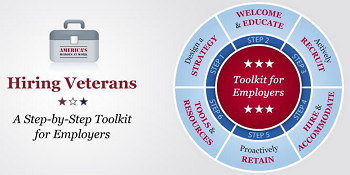
Numerous **veteran employment programs** are actively bridging the military-to-civilian career transition. Dynamic public-private partnerships, like the Hiring Our Heroes Corporate Fellowship, provide critical hands-on experience. Federal mandates, including the Vietnam Era Veterans’ Readjustment Assistance Act (VEVRAA), require affirmative action from government contractors. Furthermore, innovative tax incentive programs, such as the Work Opportunity Tax Credit (WOTC), directly motivate businesses to recruit and retain this highly skilled talent pool, transforming proven leadership into corporate success.
Best Practices for Veteran Recruitment and Retention
Imagine a workplace where the unique skills forged in service are not just recognized but actively sought. Successful veteran recruitment begins with targeted outreach, translating military experience into civilian roles, and fostering mentorship programs.
Retention, however, hinges on creating an inclusive culture where the values of camaraderie and mission are reflected in daily work.
This involves establishing veteran employee resource groups and providing pathways for leadership. Ultimately, a commitment to meaningful career advancement and recognizing the profound strengths of this talent pool builds a loyal, resilient, and highly capable team.
Developing Veteran-Specific Recruitment Strategies
Successfully recruiting and retaining veterans requires a cultural shift, not just a hiring campaign. It begins with translating military skills into civilian roles, ensuring veterans feel their expertise is valued from day one. Veteran recruitment programs thrive when paired with dedicated mentorship and clear paths for advancement, acknowledging the discipline and leadership they bring. The real victory is creating an environment where their unique perspective is heard, fostering a profound sense of belonging that encourages a long-term career.
Structured Onboarding and Career Development Programs
Effective veteran recruitment and retention hinges on cultural competency. Organizations must proactively translate military skills into civilian roles, utilizing dedicated veteran hiring platforms and trained recruiters. This military skills translation strategy ensures candidates are matched to positions where they can excel, directly addressing underemployment. Retention is achieved through structured onboarding, mentorship programs connecting veterans with existing employee veterans, and leadership pathways that value disciplined, mission-focused backgrounds. Success requires an ongoing, organization-wide commitment beyond a single hiring initiative.
Building an Inclusive Culture for Veteran Employees
To effectively recruit and retain veterans, companies must move beyond simple thank-yous and build a truly military-friendly culture. This starts with translating military skills into civilian roles and providing dedicated onboarding mentors. For retention, offer clear career pathways and support networks, including Employee Resource Groups (ERGs) for veterans. Recognizing the unique strengths of military talent, like leadership and resilience, is key to long-term success. Implementing these **strategies for veteran talent acquisition** fosters loyalty and taps into a highly skilled, mission-driven workforce.
The Future of Veteran Employment in the Sector
The future of veteran employment in the sector is exceptionally bright, driven by a critical industry-wide skills gap. Their proven leadership, technical aptitude, and resilience under pressure are precisely the high-value competencies needed for tomorrow’s challenges. Forward-looking companies are now implementing dedicated talent pipelines, recognizing that integrating this elite talent pool is not just patriotic but a strategic imperative for innovation and operational excellence. This deliberate focus on veteran hiring initiatives will solidify a competitive advantage, ensuring the sector is built and led by those with unparalleled discipline and mission-focused experience.
Impact of Emerging Technologies and New Defense Priorities
The future of veteran employment in the technology sector is exceptionally bright, driven by a critical talent shortage. Their proven leadership, adaptability under pressure, and advanced technical training from military service directly translate to high-demand roles in cybersecurity, data analysis, and project management. For companies, this represents a strategic talent pipeline to fill specialized positions. To fully realize this potential, the industry must prioritize skills translation initiatives, clearly mapping military occupational specialties to civilian job requirements. Investing in veteran talent acquisition is not just an ethical imperative but a competitive advantage in securing a resilient, mission-driven workforce.
The Role of Data Transparency in Tracking Progress
The future of veteran employment in the technology sector is exceptionally bright, driven by a critical talent shortage and a growing recognition of military skills. Their proven leadership, adaptability under pressure, and advanced technical training from fields like cybersecurity and intelligence directly address industry needs. To fully leverage this talent pipeline, companies must implement **specialized veteran recruitment programs** that effectively translate military experience to civilian roles, ensuring a seamless and successful transition.
**Q: What is the biggest hurdle for veterans entering tech?**
**A:** The primary challenge is often the translation of military skills and experience into the commercial sector’s specific language and credential requirements, which specialized hiring initiatives are designed to solve.
Sustaining the Commitment Beyond Public Relations
The future of https://tweakers.net/nieuws/71280/universiteit-twente-anonymous-ddosers-helemaal-niet-anoniem.html veteran employment in the sector is exceptionally bright, driven by a powerful alignment of skills and industry needs. Military-trained leaders possess unparalleled discipline, advanced technical proficiencies, and a mission-focused mindset that directly translates to operational excellence. Forward-thinking companies are now implementing **strategic veteran hiring initiatives** to secure this elite talent pool, recognizing that their adaptability and problem-solving skills are crucial for navigating complex challenges and driving innovation in a competitive landscape.